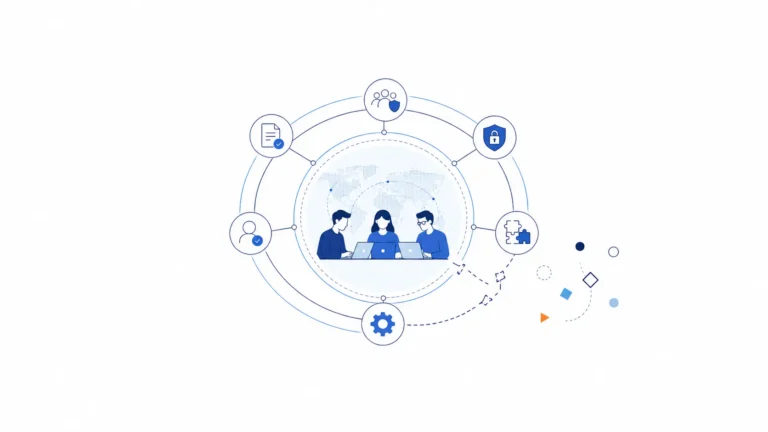
Why Offshore Teams Fail Without an Operating System
TL;DR The Mistake That Costs CTOs 12 Months Here is the pattern that repeats across offshore engagements that fail. A founder or CTO identifies a talent need. They find a

TL;DR The Mistake That Costs CTOs 12 Months Here is the pattern that repeats across offshore engagements that fail. A founder or CTO identifies a talent need. They find a
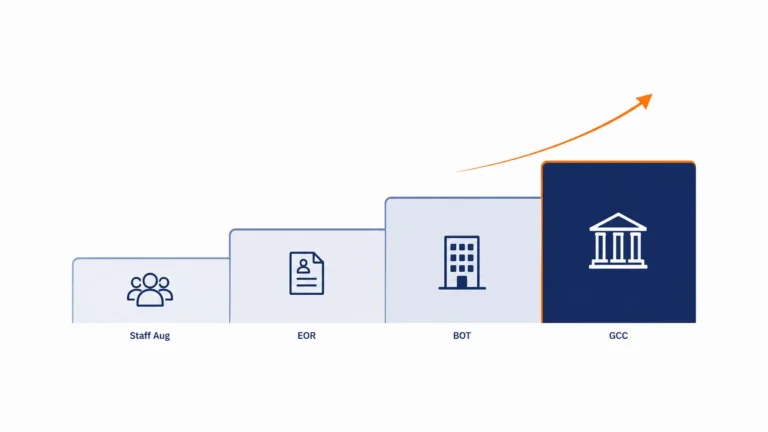
TL;DR Why the Model Choice Matters More Than the Location Most offshore conversations start with the wrong question. Founders ask: “Should we go to India, LATAM, or Eastern Europe?” That
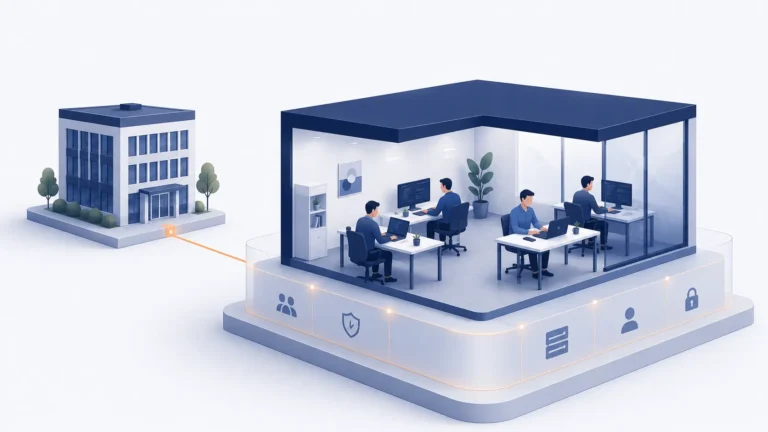
TL;DR A Structural Gap in Offshore Expansion Many growth-stage technology companies reach a point where the domestic talent market becomes a constraint. Hiring timelines lengthen. Compensation pressures grow. Product velocity

TL;DR Why DORA Is Being Used Wrong Most engineering teams track DORA as a reporting exercise. They publish four numbers per quarter and move on. That is the wrong use.

TL;DR Why this matters now Many leaders still think the EU AI Act is a European problem for European companies. That view is too narrow. The Act applies by impact,

TL;DR Your Vendor Billed 1,600 Hours Last Month. Your feature shipped three weeks late. Both of those facts can be true at the same time. And if you are still

TL;DR The Tax You’re Already Paying Most CTOs underestimate one specific cost. It is not vendor fees. It is not cloud spend. It is the management tax: the invisible overhead
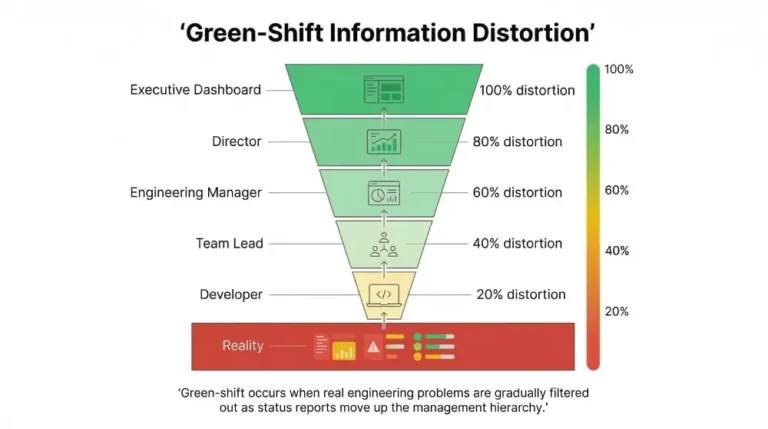
TL;DR The “Watermelon Project” reports green on dashboards for months, then reveals a critical red interior days before launch. This isn’t caused by incompetence or malice. It’s caused by broken
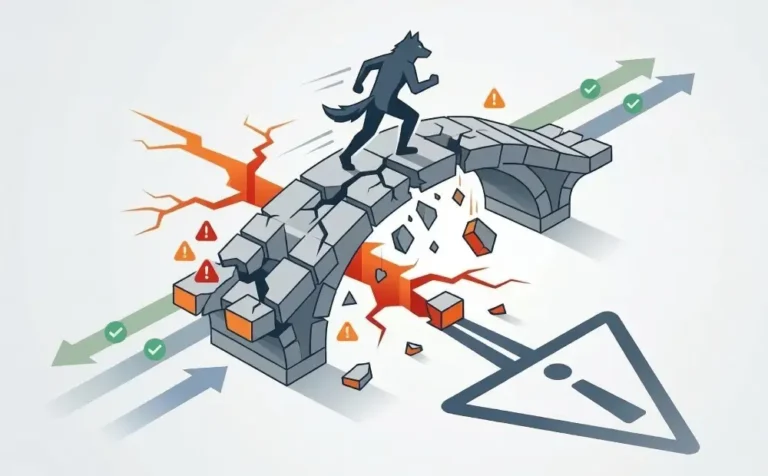
TL;DR: The “10x Freelancer” promises speed at low cost. The reality is different. Three risks destroy this model: The fix is Managed Engineering Pods. These are cohesive teams with shared
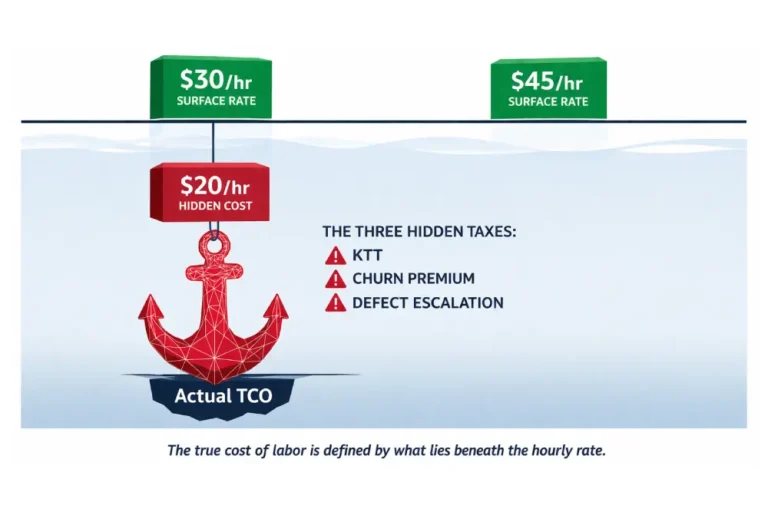
TL;DR: A “cheap” offshore team at $30/hour with 40% annual turnover actually costs $43/hour. You pay three hidden taxes: A premium partner at $45/hour with 10% turnover costs $46/hour effectively.
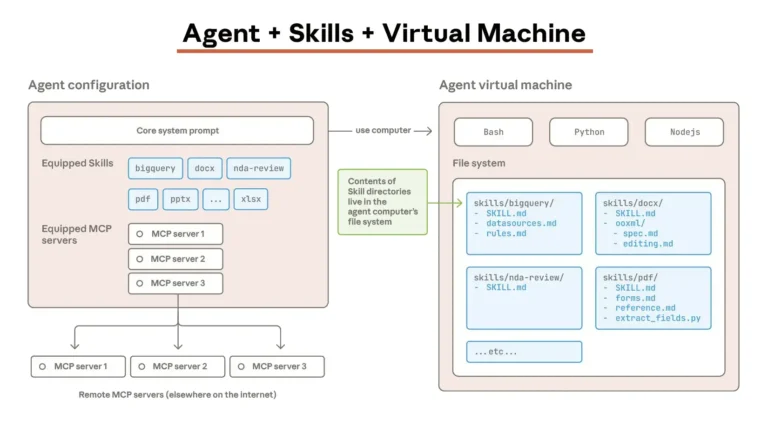
TL;DR For the past two years, AI development has followed a deceptively simple playbook: stuff everything into the prompt. The logic seemed sound, if Claude can handle 200K tokens, why

TL;DR Answer: Test Whether Candidates Will Refuse Impossible Requirements The core hiring insight: Engineers who pass coding tests but silently build impossible requirements are more dangerous than engineers who can’t